Why children need support based on needs, not just labels
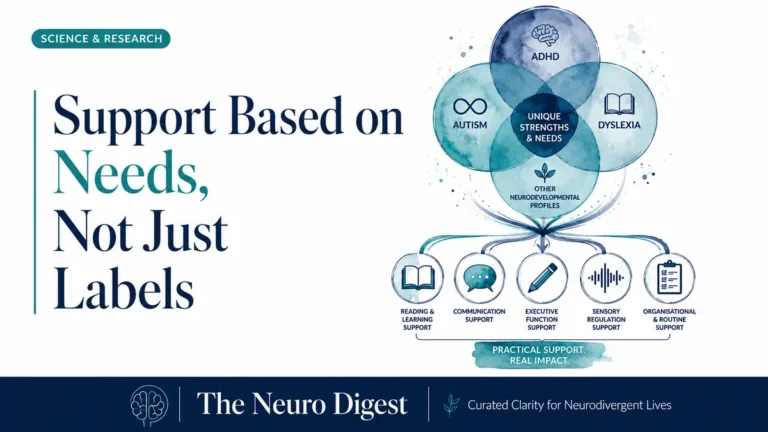
New research suggests ADHD, autism, dyslexia and other neurodevelopmental traits often overlap. The practical message is simple: support should follow a child’s needs, not just their label.
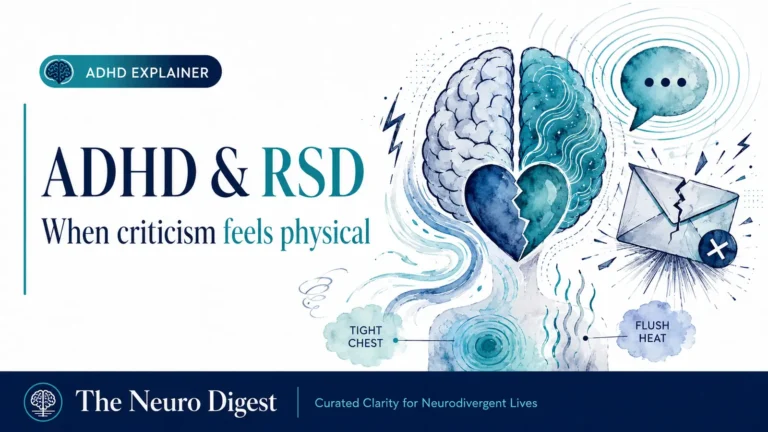
Rejection Sensitive Dysphoria is not a formal diagnosis, but many ADHD people use the term to describe intense emotional pain after criticism, rejection or perceived disapproval. A new study helps explain why it can affect relationships, work, education and self-esteem.
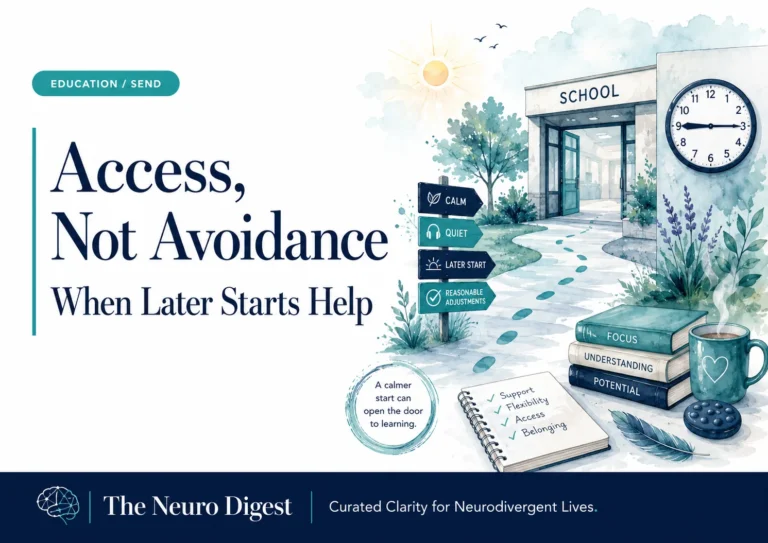
A late school start is not always avoidance. Sometimes it is access. Recent debate about delayed school starts after a late-night football match has raised a wider question about attendance, flexibility and support. For some neurodivergent and disabled pupils, the start of the school day can be one of the hardest parts to manage. The…
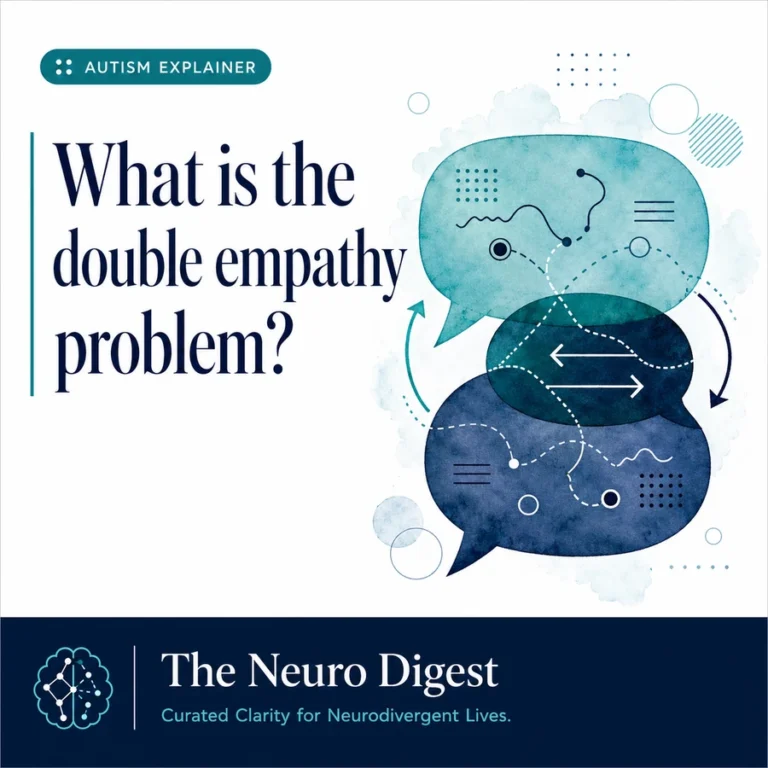
The double empathy problem reframes autistic communication difficulties as a two-way issue. It suggests that misunderstandings between autistic and non-autistic people often come from differences in communication style, not simply from autistic people lacking empathy or social skills.
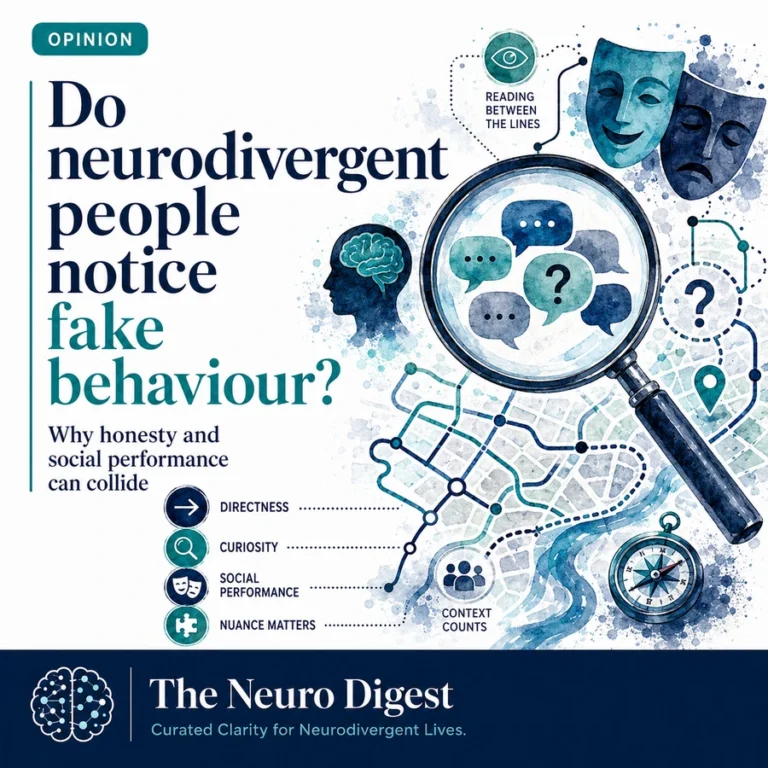
Many neurodivergent people describe feeling uncomfortable around social performance, vague answers or hidden meanings. But the idea that neurodivergent people always “see through” others needs a careful, more balanced discussion.
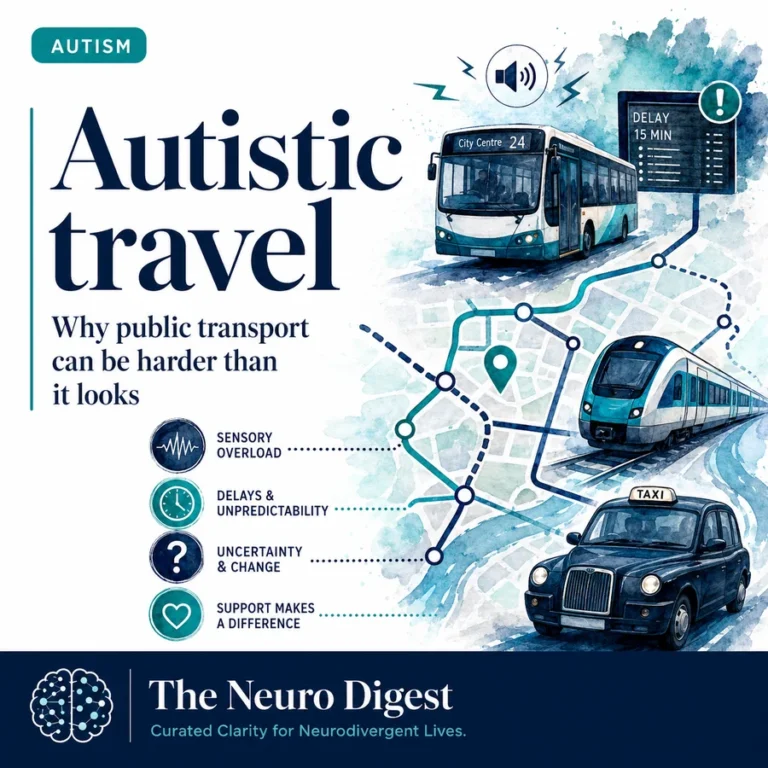
A new National Autistic Society project has explored autistic adults’ experiences of public transport — and why buses, trains and taxis can be much harder than they look.
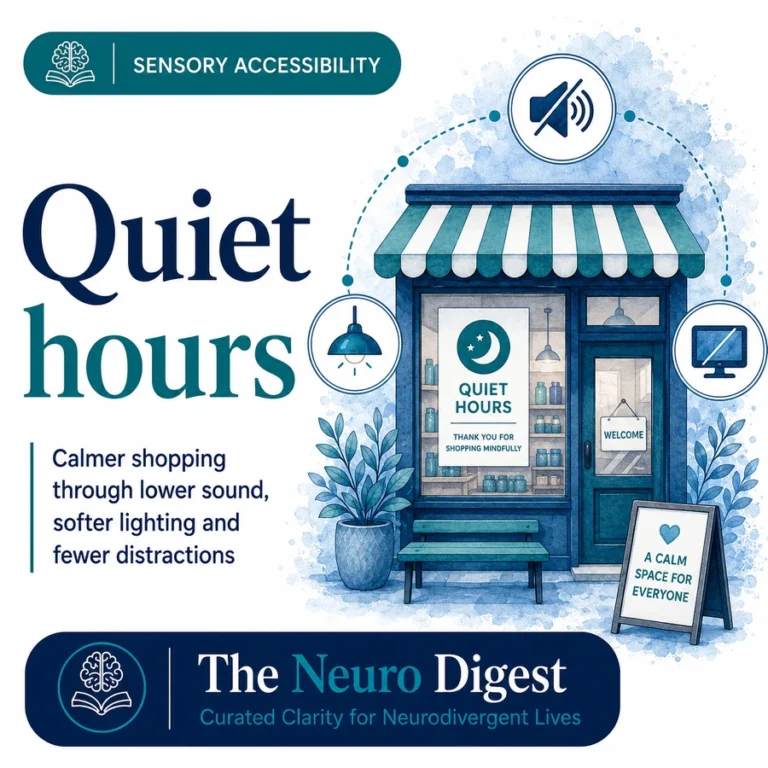
Sephora UK’s quiet hours trial is a useful reminder that accessibility is not only about physical access. For many neurodivergent people, calmer sensory environments can make everyday spaces feel more usable.
A new animation from Made By Dyslexia aims to change what children and families find when they search “what is dyslexia?” online. The film challenges negative descriptions and presents dyslexia as a different way of thinking, not just a difficulty.
Researchers are increasingly looking at how ADHD may connect with physical health, including chronic pain, sleep, anxiety and other long-term conditions. The evidence does not mean ADHD directly causes these conditions, but it does suggest ADHD should be understood as more than attention and behaviour.
A government call for evidence asks whether England’s new autism strategy should be extended to cover ADHD, raising important questions about joined-up neurodivergent support.