AuDHD Explained: How Autism and ADHD Can Interact
AuDHD is often described as “autism plus ADHD”, but the reality can be more complicated. Researchers are increasingly looking at how the two conditions overlap, interact and shape daily life.
Social media can help people recognise ADHD and autism traits, but not every viral video is accurate. Relatable content can be validating, but it should be a starting point for reflection, not a diagnosis.
Many older adults grew up before ADHD and autism were widely understood. Looking at long-standing family patterns through a neurodivergent lens can sometimes replace blame with curiosity.
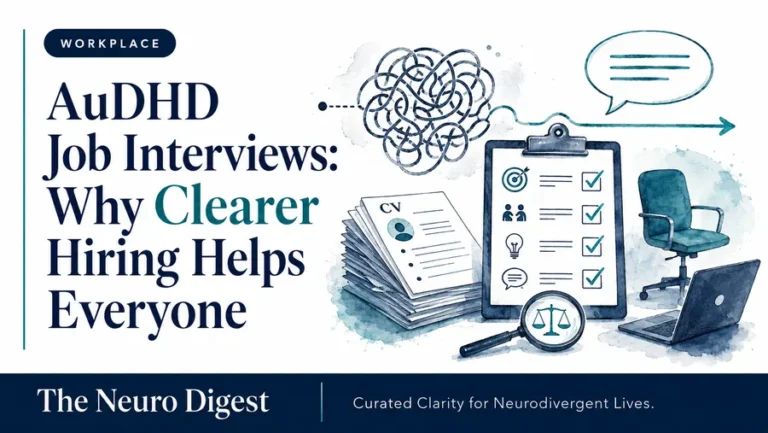
AuDHD candidates are often judged through interview processes that reward speed, social fluency and comfort with ambiguity. Clearer, more structured recruitment can make hiring fairer without lowering standards.
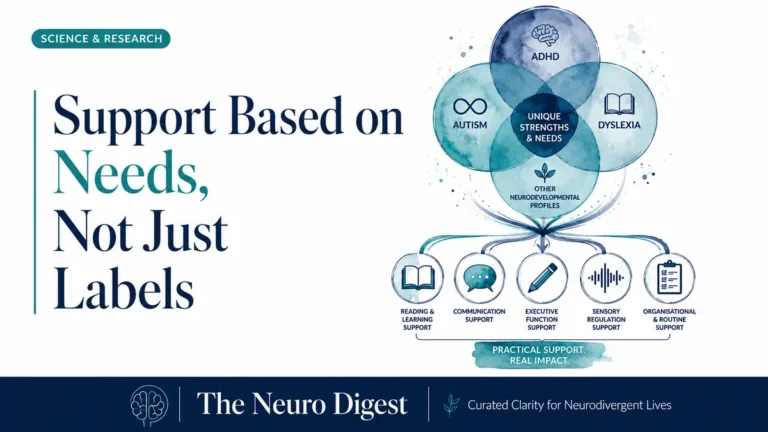
New research suggests ADHD, autism, dyslexia and other neurodevelopmental traits often overlap. The practical message is simple: support should follow a child’s needs, not just their label.
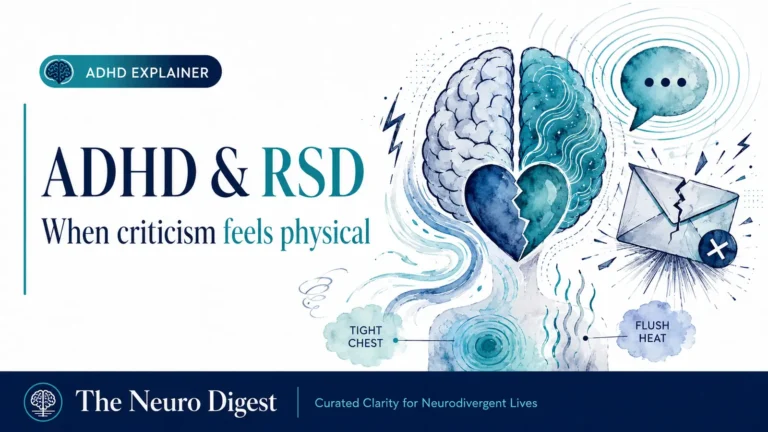
Rejection Sensitive Dysphoria is not a formal diagnosis, but many ADHD people use the term to describe intense emotional pain after criticism, rejection or perceived disapproval. A new study helps explain why it can affect relationships, work, education and self-esteem.
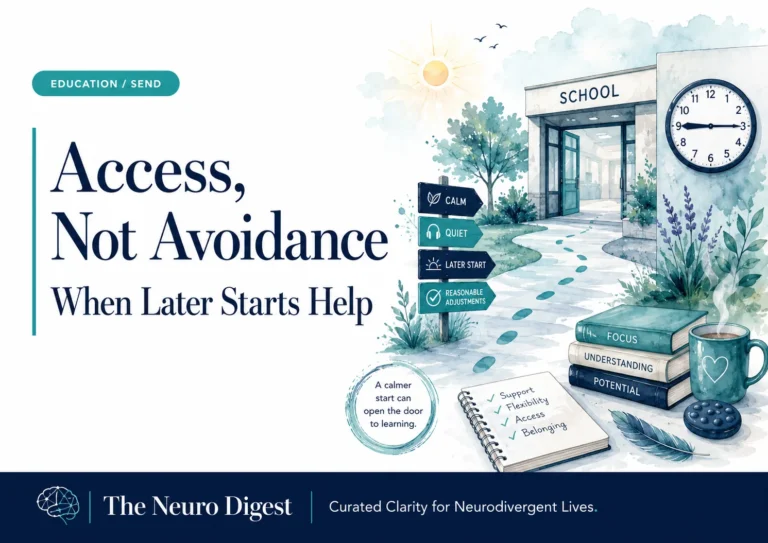
A late school start is not always avoidance. Sometimes it is access. Recent debate about delayed school starts after a late-night football match has raised a wider question about attendance, flexibility and support. For some neurodivergent and disabled pupils, the start of the school day can be one of the hardest parts to manage. The…
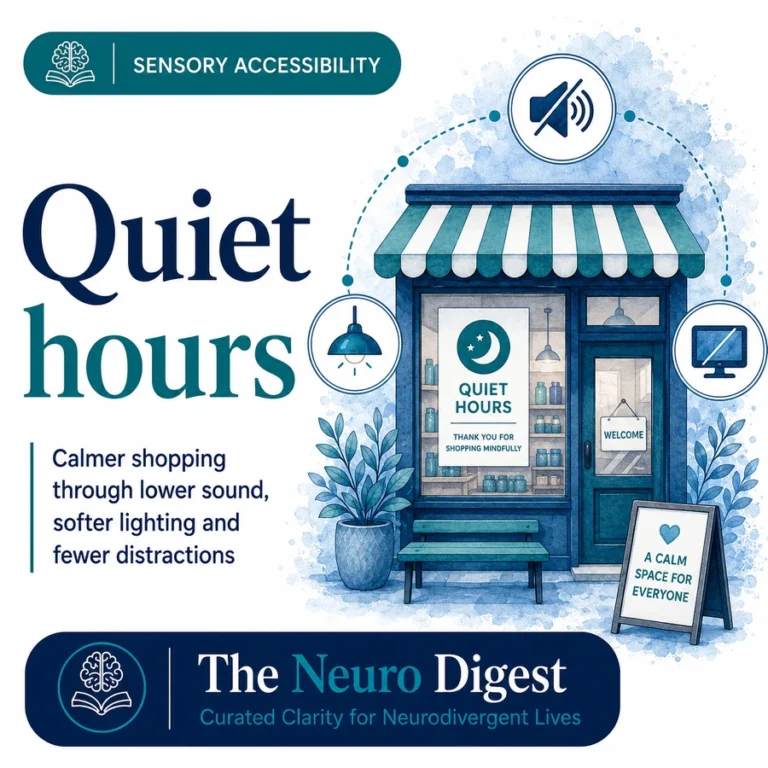
Sephora UK’s quiet hours trial is a useful reminder that accessibility is not only about physical access. For many neurodivergent people, calmer sensory environments can make everyday spaces feel more usable.
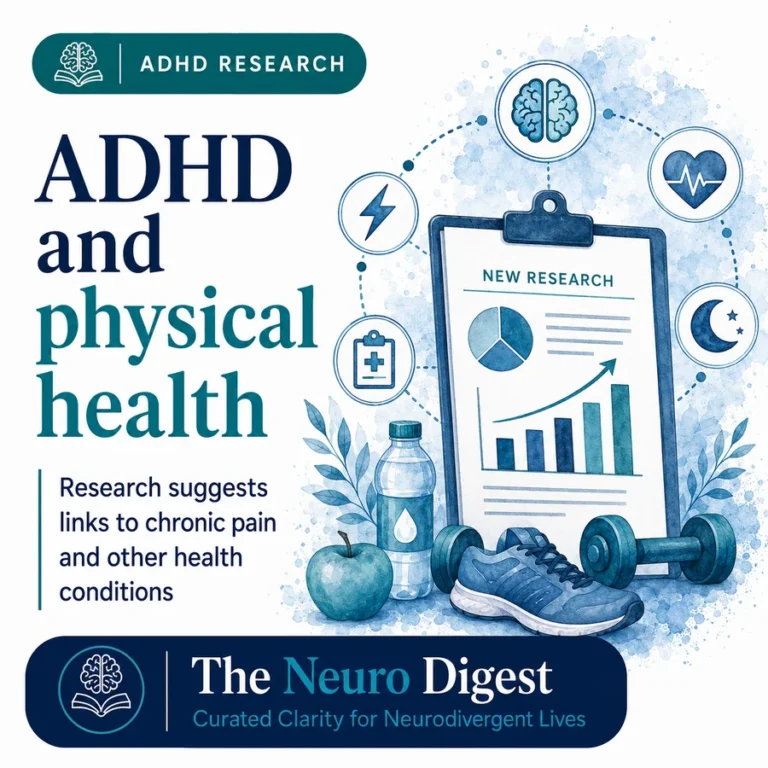
Researchers are increasingly looking at how ADHD may connect with physical health, including chronic pain, sleep, anxiety and other long-term conditions. The evidence does not mean ADHD directly causes these conditions, but it does suggest ADHD should be understood as more than attention and behaviour.
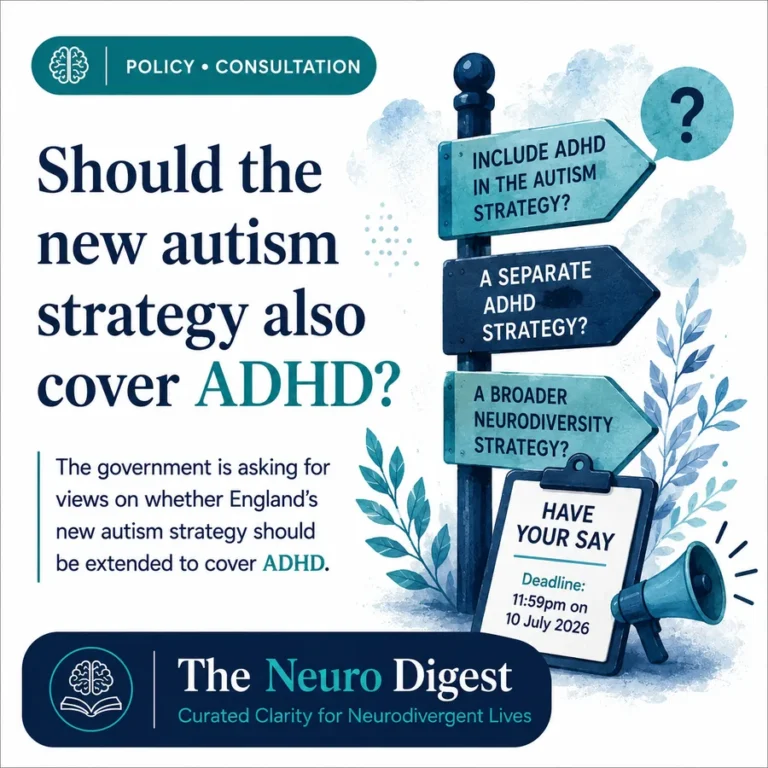
A government call for evidence asks whether England’s new autism strategy should be extended to cover ADHD, raising important questions about joined-up neurodivergent support.