More than one in five pupils in England now have special educational needs
More than one in five pupils in England now have special educational needs
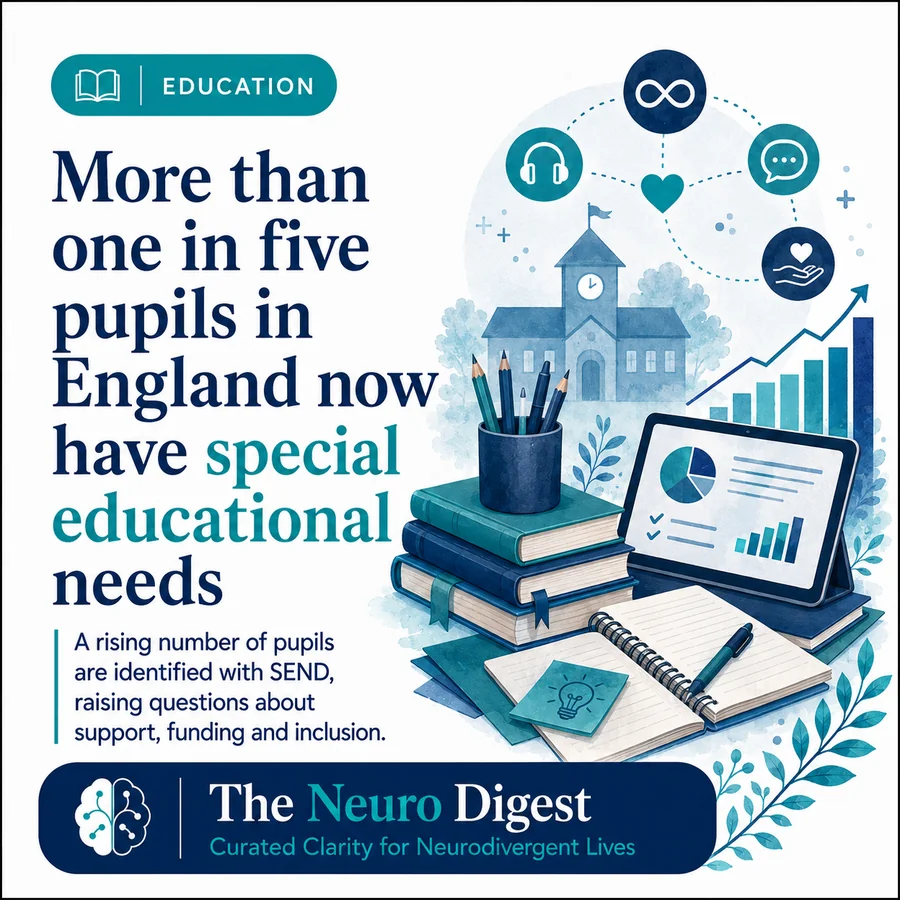
More than one in five pupils in England now have special educational needs, according to newly published official figures.
The latest Department for Education data shows that the number of children with Education, Health and Care Plans has risen sharply, while many more pupils are receiving SEN support without an EHCP.
In total, around 21% of pupils in England are now recorded as having special educational needs in some form.
Why this matters
This is not just a story about numbers.
Behind every statistic is a child who may need extra support to learn, communicate, regulate, attend school, manage transitions, or feel safe in the classroom.
It is also a story about families trying to navigate a system that can feel slow, confusing and adversarial. And it is a story about schools being asked to meet increasingly complex needs, often without enough funding, staff, space or specialist support.
EHCPs and SEN support
An EHCP is a legal plan for children and young people who need more support than a school would normally provide through its usual SEN support.
But many children with special educational needs do not have an EHCP. They may still need adjustments, targeted support, speech and language help, sensory support, emotional regulation support, or a more flexible approach to learning.
The new figures show growth in both groups: children with EHCPs and children receiving SEN support without one.
The Neuro Digest view
The rise in recorded special educational needs should not be reduced to panic about “too many diagnoses” or “too many labels”.
A better question is:
Are more children being recognised because needs that were once missed, masked or misunderstood are finally becoming visible?
For many neurodivergent children, especially autistic children, ADHD children and children with speech, language or communication needs, the issue is not simply whether they have a label. It is whether that recognition leads to support that actually helps.
Identification matters. But identification without timely support can leave families stuck in limbo.
What to watch next
The government is already looking at reforming the SEND system in England, including how children are supported in mainstream schools.
That makes these figures especially important.
If more children are being identified as needing support, then schools need the resources, training and specialist input to respond properly. Inclusion cannot just mean placing children in mainstream classrooms and hoping teachers can somehow make it work.
It has to mean real support, early support and support that reflects the needs of the child in front of them.
Source: The Guardian, based on Department for Education statistics published in June 2026. Please read the original report for full details.
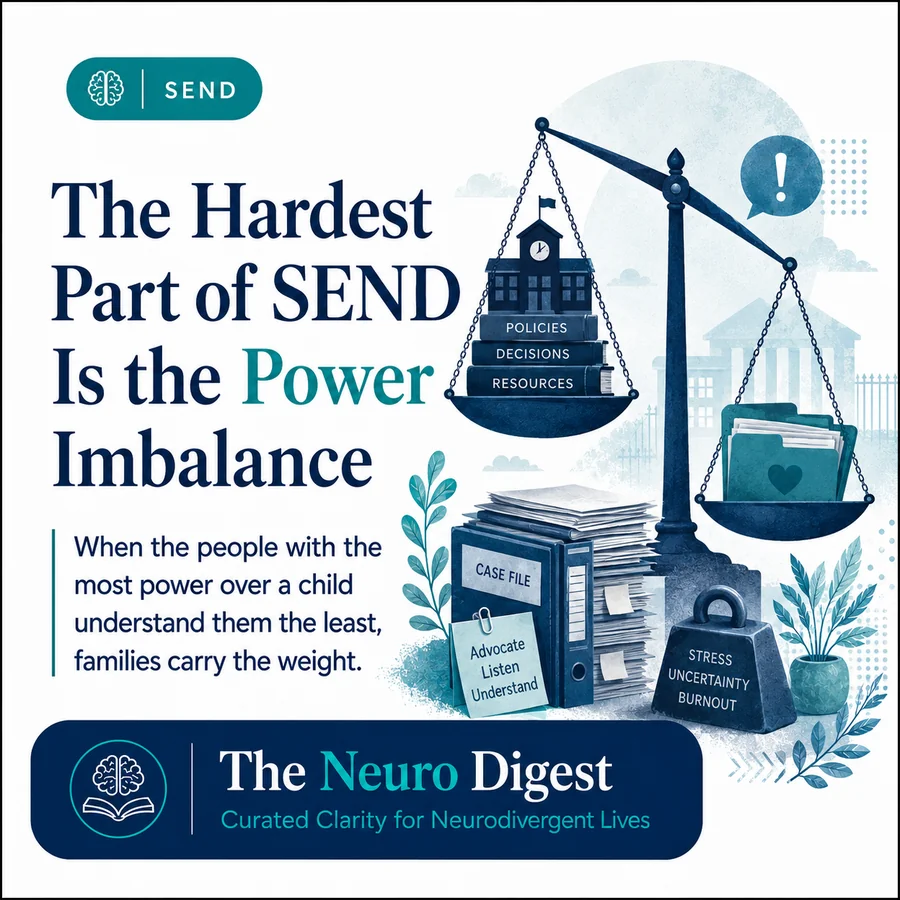
For a more personal look at how this can feel for families, read: The Hardest Part of SEND Is the Power Imbalance.